
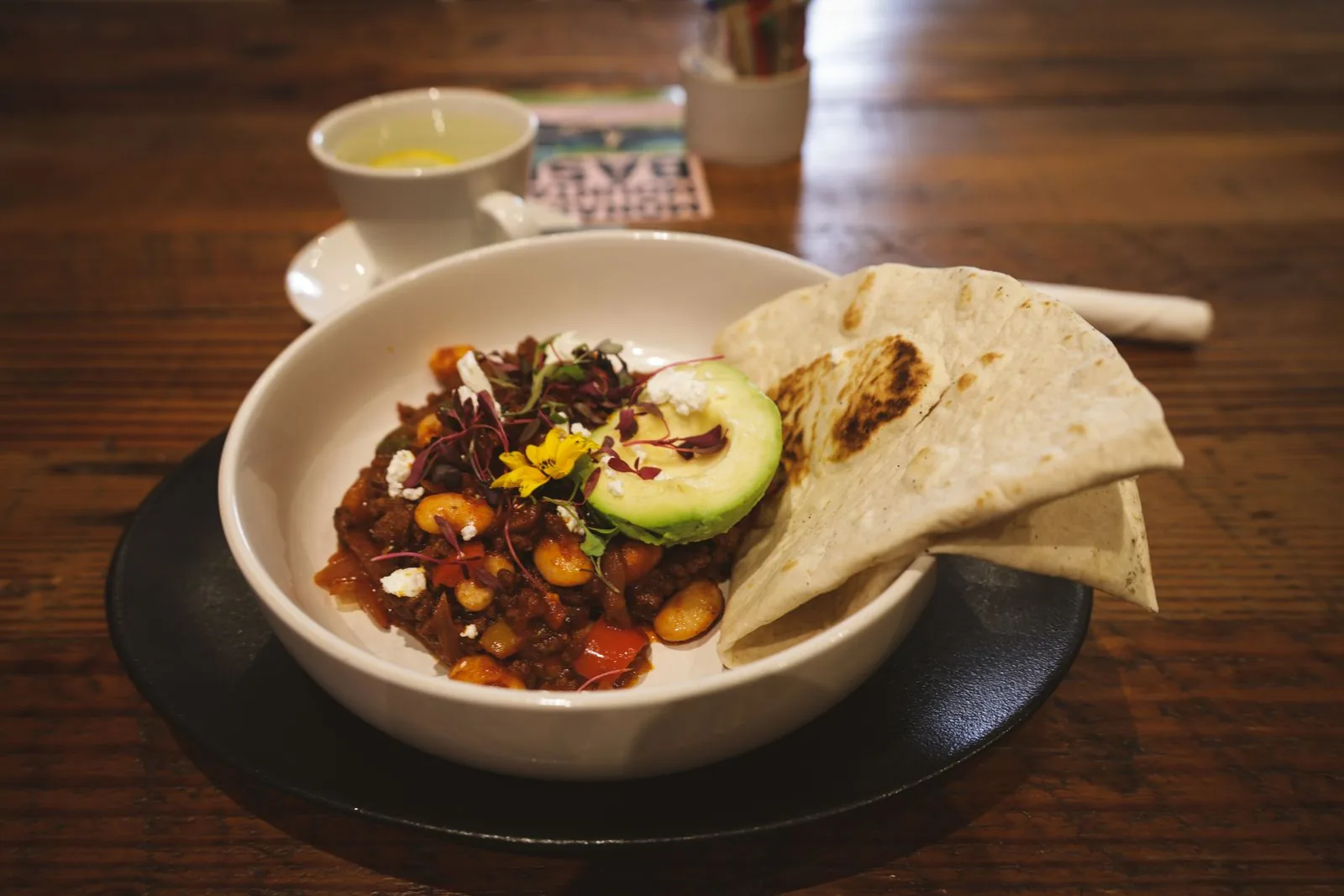
A coworker once ran a chili cook-off for our team. A bunch of people brought a pot, everyone tried every chili, and instead of a single “vote for your favorite,” she had us rank them, first, second, third. That was the moment ranked choice finally clicked for me, and it is the cleanest way I know to answer the ranked choice vs simple poll question.
So here is the short answer, before the explanation: use a simple poll for almost every group decision. Reach for ranked choice when everyone has actually experienced every option. That one line covers most of it. The rest of this is why, and the handful of cases where it matters.
Ranked choice earns its keep when everyone has tasted every option.
What each one actually is
Quick, because the names do most of the work.
- A simple poll is one pick, or a yes/no on each option. Most votes wins. That is it, and that is usually fine.
- Ranked choice has each person put the options in order. If no option has an outright majority of first-place votes, the last-place option is dropped and its votes flow to those voters’ next choice. Repeat until something clears half. (The formal name is instant-runoff voting, if you want the rabbit hole.)
The extra machinery of ranked choice buys you one thing: it keeps more of what each person thinks. A simple poll only ever hears your top pick. A ranking hears your whole opinion.
The rule: did everyone experience every option?
This is the cook-off lesson, and it is the test I actually use. When every voter has tried everything, a single pick throws away most of what the room knows.
Think about that chili cook-off. If we had each just voted for one favorite, the winner might take it with four votes out of fifteen, and we would have learned nothing about the other ten people. But everybody tasted all of them. Everyone had a real second and third favorite. Ranking captured all of that, and the chili that won did not just have the most number-one votes, it was the pot almost nobody ranked low. That is a better answer, and you only get it because everyone sampled the whole table.
The same is true any time the group has the full picture: a wine or coffee tasting, a “best of” at work, a shortlist of movies everyone has already seen, a bracket of song nominations people all know. If everyone can rank honestly because everyone has experienced the options, rank them.
The other time ranked choice wins: divisive calls
There is a second case, and it is the one most people have heard of. Use ranked choice when a plain vote would crown a winner that half the group can’t stand.
Say five friends want sushi, four want barbecue, and three want Thai. Sushi “wins” a simple poll with five of twelve votes. But seven people, the majority, did not want sushi at all. A ranking would ask those barbecue and Thai folks where they go next, and you might find that Thai is everyone’s solid second. Ranked choice surfaces the option the whole group can live with, instead of the one with the loudest faction.
Rule of thumb
If you can’t say in one sentence why ranking matters for this particular decision, use a simple poll. The simpler vote is the right default, not the consolation prize.
When a simple poll is the better call (most of the time)
I want to be honest about the cost, because ranked choice gets oversold. Ranking asks more of every voter. They have to consider all the options, not just spot the one they like, and some people will stare at a “drag to reorder” screen and quietly check out. That friction is real.
So spend it only when the payoff is there. For “pick a lunch spot,” “what night works,” “which logo,” a quick single pick or a yes/no is faster, everyone understands it instantly, and you get more people actually voting. A higher turnout on a simple poll usually beats a precise result on a ranked one that half the group bailed on. Most group decisions are low-stakes and want the simple poll. Save the ranking for when the choice genuinely deserves the extra thought.
The part where I admit I built both into a thing
The chili cook-off poll worked. It also looked like it was built in 2009, all gray boxes and tiny radio buttons, the kind of tool you use once and forget the name of. That stuck with me. A group decision is a little social moment, and the thing you pass around should feel like it was made this decade.
So when I built Decide, I put all three vote types in one place: swipe for a fast single pick, a checklist when more than one option can win, and drag-to-rank ranked choice for when the call deserves it. You pick the kind of vote that fits the question, share one link, no app and no login, and the result updates live as people vote. If you are still deciding between ranked choice and a simple poll for a specific call, the question above answers it: did everyone experience every option, or is this just a quick pick?
That winning chili won because everyone’s second-favorite turned out to be the same pot. A single vote would have missed it completely. That is the whole case for ranked choice, and also the whole case against using it for lunch.